
What happens to a 40000-pound semi-truck that gets stuck in the middle of a Traffic jam or the construction equipment that becomes stuck on a distant work site? Such circumstances cannot be addressed using normal towing machines. They need powerful towing equipment, professional recovery services as well as special hauling trailers that would handle large sized cars and machineries safely. Since commercial truck breakdowns and accident recovery of tractor-trailers are all heavy duty towing services, they are vital in ensuring the roads remain clear, cargo safety and recovering the traffic flow back to normal. Professional towers are dependent on rotator tow trucks, heavy wreckers, air cushion recovery service and lowboy trailers to handle complex recovery and transport services. Such operations involve a high level of accuracy, strategizing, and practice since each recovery exercise comes with different challenges.
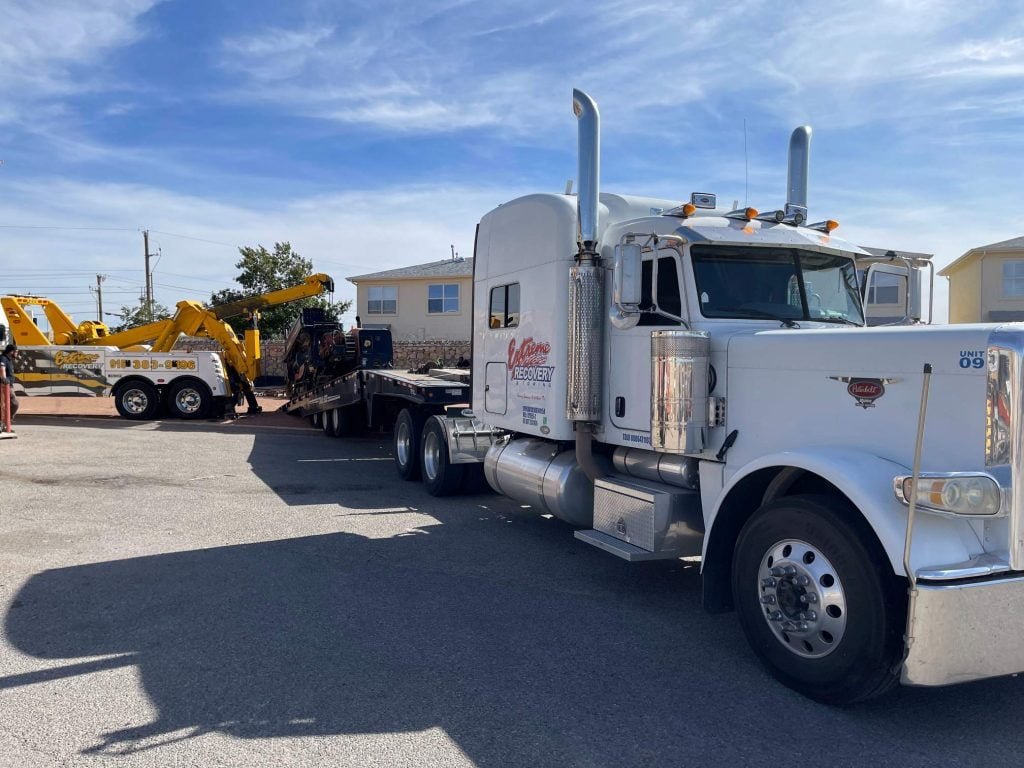
Heavy-Duty Towing for Large Commercial Vehicles
In contrast to passenger cars, commercial trucks, buses, RVs and tractor-trailers have special towing equipment that is needed to accommodate heavy weight and size. Even a typical tow truck will not be able to lift and move a vehicle that has tens of thousands of pounds. It is at this point that heavy-duty tow trucks with hydraulic under lifts and multi-stage boom systems come in handy.
Vehicles used in heavy-duty towing operations include:
- Semi-trucks and tractor-trailers.
- Dump trucks and cement mixers.
- Motorhomes and large RVs
- Commercial passenger vehicles and buses.
- Delivery trucks and box trucks.
To ensure that the vehicle is stable during transportation, professional operators install integrated systems of wheel lifts, air brake connections and reinforced towing rigs. Distribution of weight is very serious during the towing of heavy vehicles since the imbalance may end up damaging the drivetrains, or cause hazardous conditions on the roads. Professional towing firms also liaise with the highway patrol, traffic management squads, and roadside safety volunteer in making the area secure before commencing a heavy vehicle tow. Such coordination has a limited effect on the traffic and other motorists are safeguarded.
Complex Accident Recovery Operations
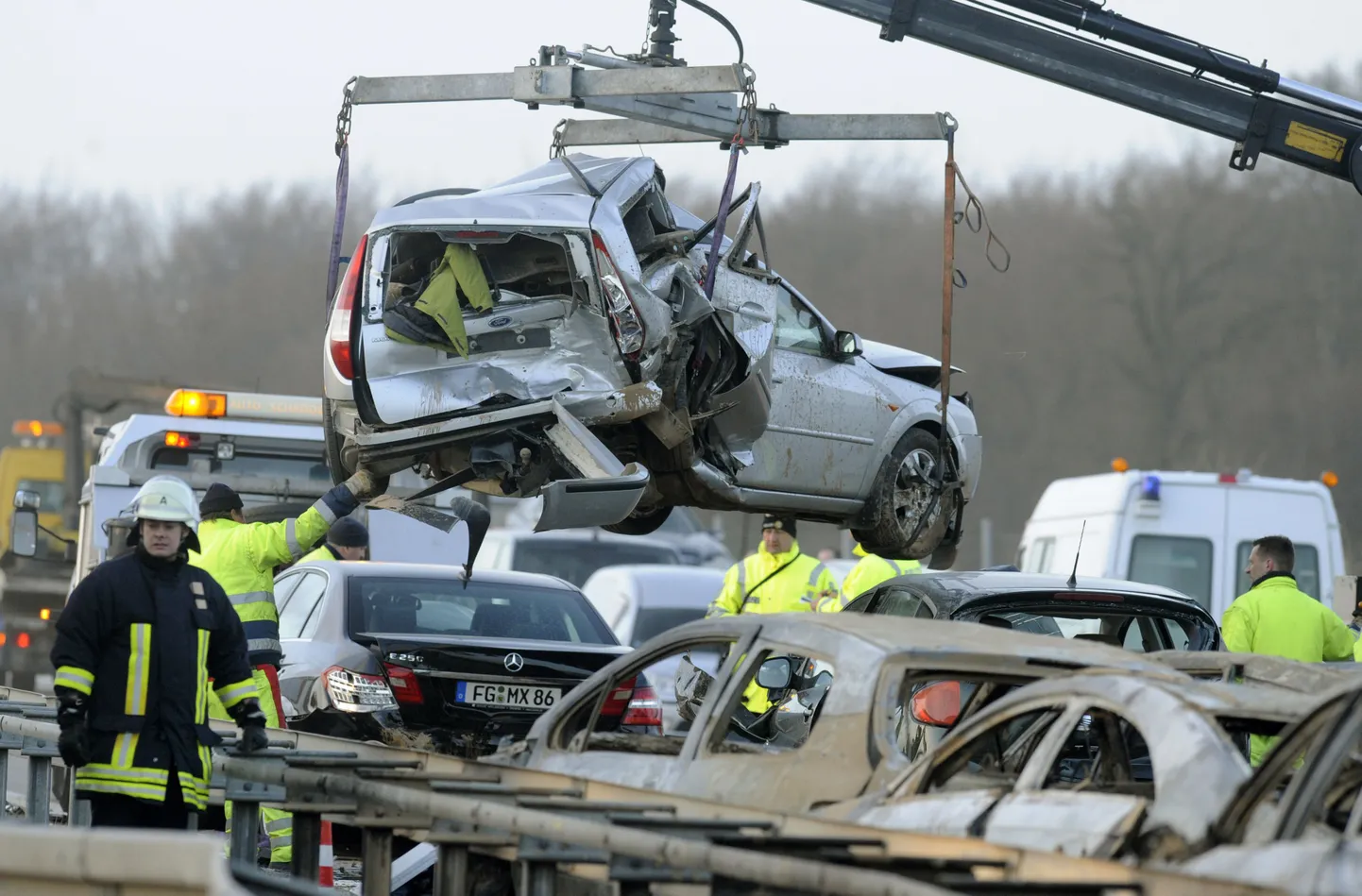
The problem of heavy vehicle accidents is much more complex than the usual car crash. The recovery efforts must be highly equipped with proper and specialized equipment and operators who are well versed in the dynamics of large vehicles when a full loaded semi-truck overturns or a tractor-trailer jack-knifes across several lanes. Accident recovery experts pay attention to the following major steps: The first one is scene stabilization. Before moving the vehicle, recovery teams estimate the fuel leaks, cargo hazards and structural damages. Additional stabilization devices like recovery straps, winch cables, ground anchors, and wheel stabilizers are used to stop additional movement. Then follows vehicle up righting and extraction. In such situations, special rotator tow trucks of 360 rotating boom are regularly utilized. The vehicles are very heavy and these machines are capable of balancing and giving precision in lifting the vehicles. Rotators enable the operators to overturn the overturned trucks without further damages to the trailer or the cargo. Where the vehicles are badly damaged the recovery teams might have to carry out load shifts or transfers of the cargo before towing. This includes re-distribution of freight or elimination of freight to lessen weight and allow safe recovery. Lastly, the car is taken to a service station, impound yard or logistics depot with heavy towing equipment that has the capacity to carry the weight and condition of the vehicle.
Equipment Hauling for Construction and Industrial Machinery
Heavy-duty towing businesses go beyond retrieving broken cars. Others also deal with construction, agricultural and industrial equipment hauling. Movement of heavy machinery will demand special trailers and proper loading processes to guarantee that the machinery will reach where it is supposed to safely.
The typical machinery that is moved via heavy equipment hauling services is:
- Excavators and bulldozers
- Skid steers and backhoes
- Warehouse machines and forklifts.
- Generators, industrial compressors.
- Paving machines and rollers.
The transportation of these machines is usually carried out using lowboy trailers, detachable gooseneck trailers (RGN) and by using flatbed heavy-haul trucks. The design of these trailers is to ensure that they have reinforced frames and low deck heights that allow them to carry tall equipment in compliance with the requirements of road safety.
Operators conduct load securement measures before the start of hauling by the use of heavy-duty straps, chains, and binders. Good tie-down points make sure that the machinery will stand still when in transit even when it is being shipped to a great distance.
Specialized Recovery for Off-Road and Remote Locations
Not all recoveries occur on the paved roads. Agricultural areas, construction sites, and isolated highways are frequently known to have poor conditions that make heavy vehicles get trapped in mud, sand and mounds.
In such cases, towing experts will use off-road recovery systems that would be used in tough conditions. This may include:
- high-capacity winch systems
- pulling power anchors on the ground.
- snatch blocks and heavy recovery straps.
- all-terrain recovery trucks
When a truck or a machine gets severely stuck, the operators usually undertake various multi-angle winching methods that helps to loosen the vehicle in a gradual manner without breaking the chassis or the drive system. These recovery operations should be carefully planned since any sudden movement or wrong pulling angles may enhance the situation.
Safety and Training in Heavy-Duty Towing
Towing is a very technical profession and it needs trained personnel, who are aware of the mechanics of vehicles, how to distribute weight and recovery engineering. Even a routine recovery would be risky without the required training. Professional towing services spend a lot of money on operator certification, safety training and recovery simulation. Such programs will teach the operators how to manage complicated situations that include jack-knifed trailers, multiple vehicle crashes and dangerous cargo.
Several safety procedures usually involve:
- Making pre-recovery site tests.
- Traffic control barriers and warning lights.
- Use of high visibility safety gear.
- Communication with law enforcers and first responders.
Operators should also be aware of the DOT transportation policies, load restraint laws, and heavy hauling permit to make sure that all the operations are within legal parameters of road safety standards.
Conclusion
Heavy towing, accident recovery and equipment transportation are needed to effectively deal with large vehicle failures, moving industrial equipment, and re-establishing normalcy following severe road accidents. In cases where huge vehicles or heavy machinery need professional recovery or transportation, the difference between the two is the difference between an experienced service provider and a non-experienced one. Extreme Recovery and Towing has gained the trust of many businesses and fleets to have their support when needed the most due to their trusted and reliable services in the heavy towing, accident recovery, and equipment hauling.